Making a Summer Worth Remembering
I think people are exhausted by branding that feels untouchable.
The campaigns I remember most feel comfortably lived in.
Someone spilled wine there.
Someone stayed too late.
Someone kissed in the kitchen and pretended it meant nothing even though you know it did.
You can feel it.
Lately, I’ve been thinking a lot about why certain visual worlds stay with us long after we’ve left them. Why some spaces feel emotionally alive while others, even beautiful ones, feel strangely empty.
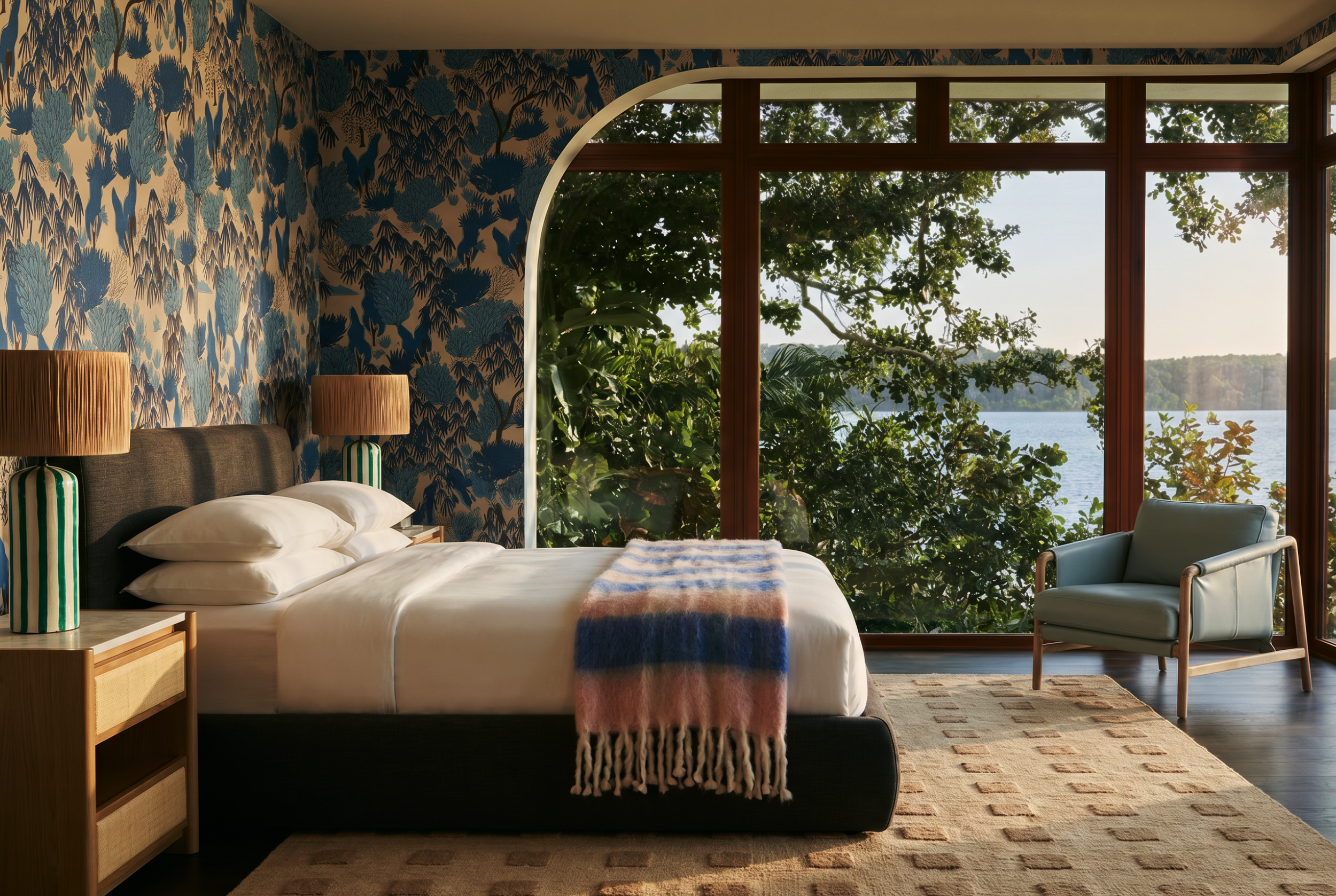
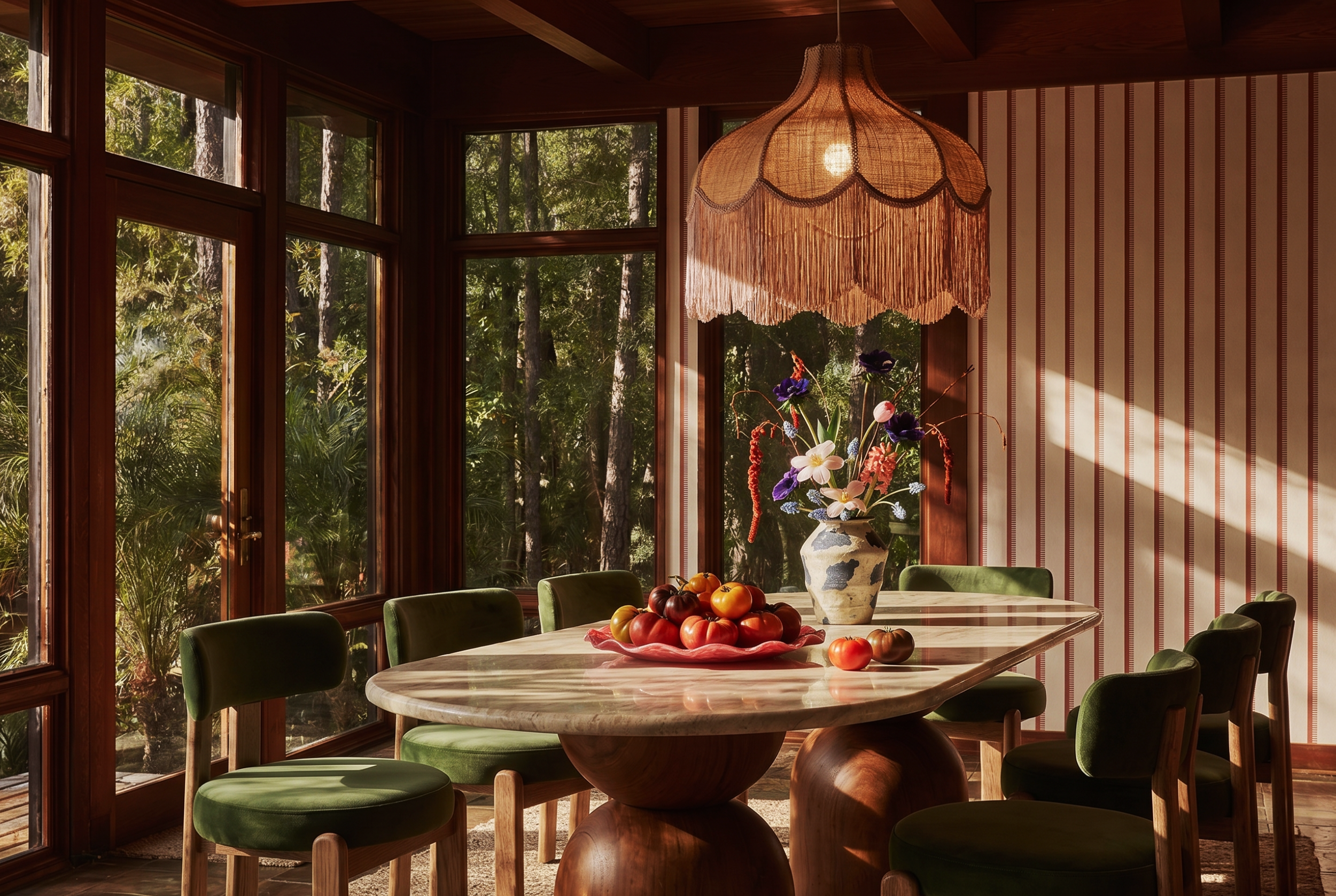
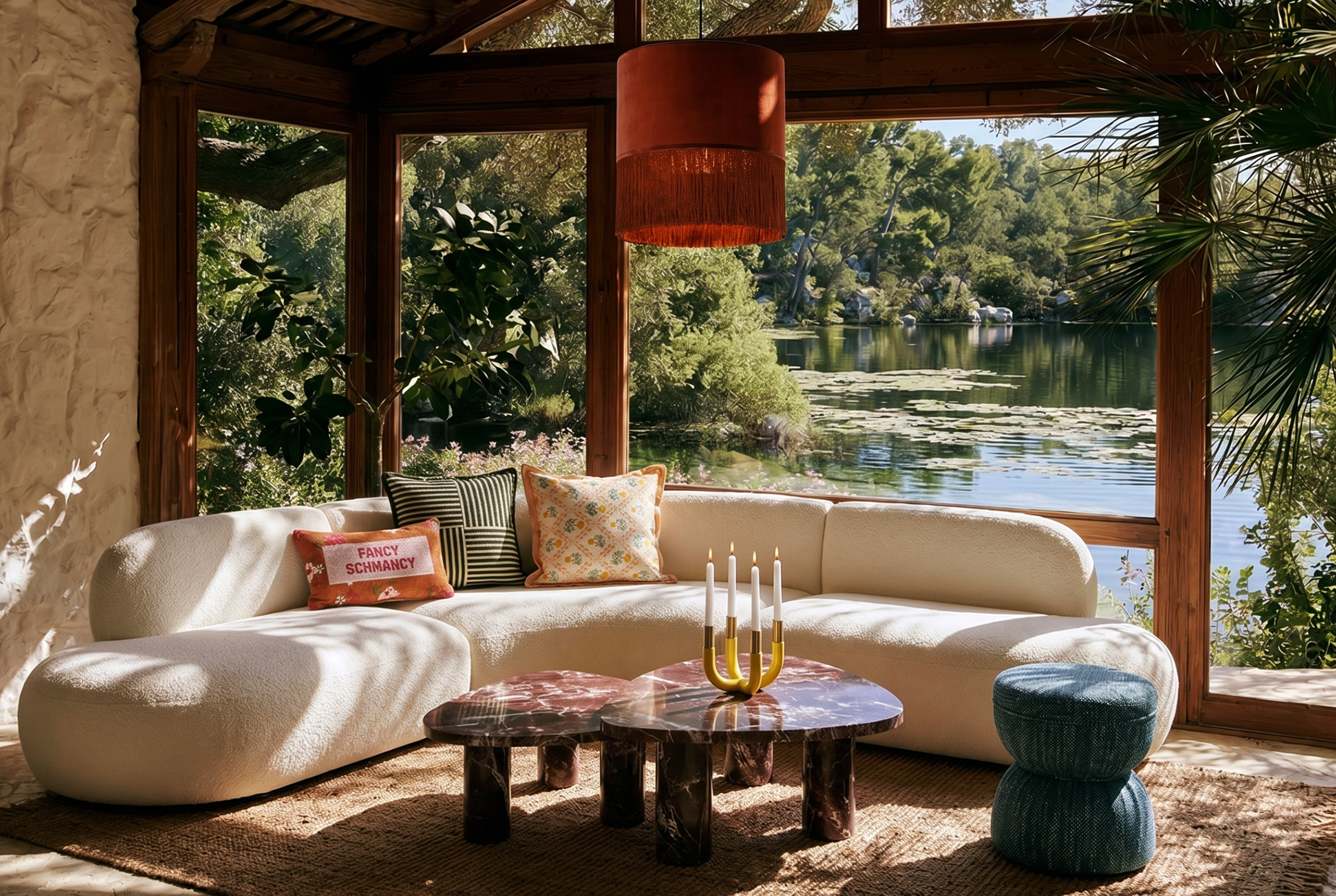
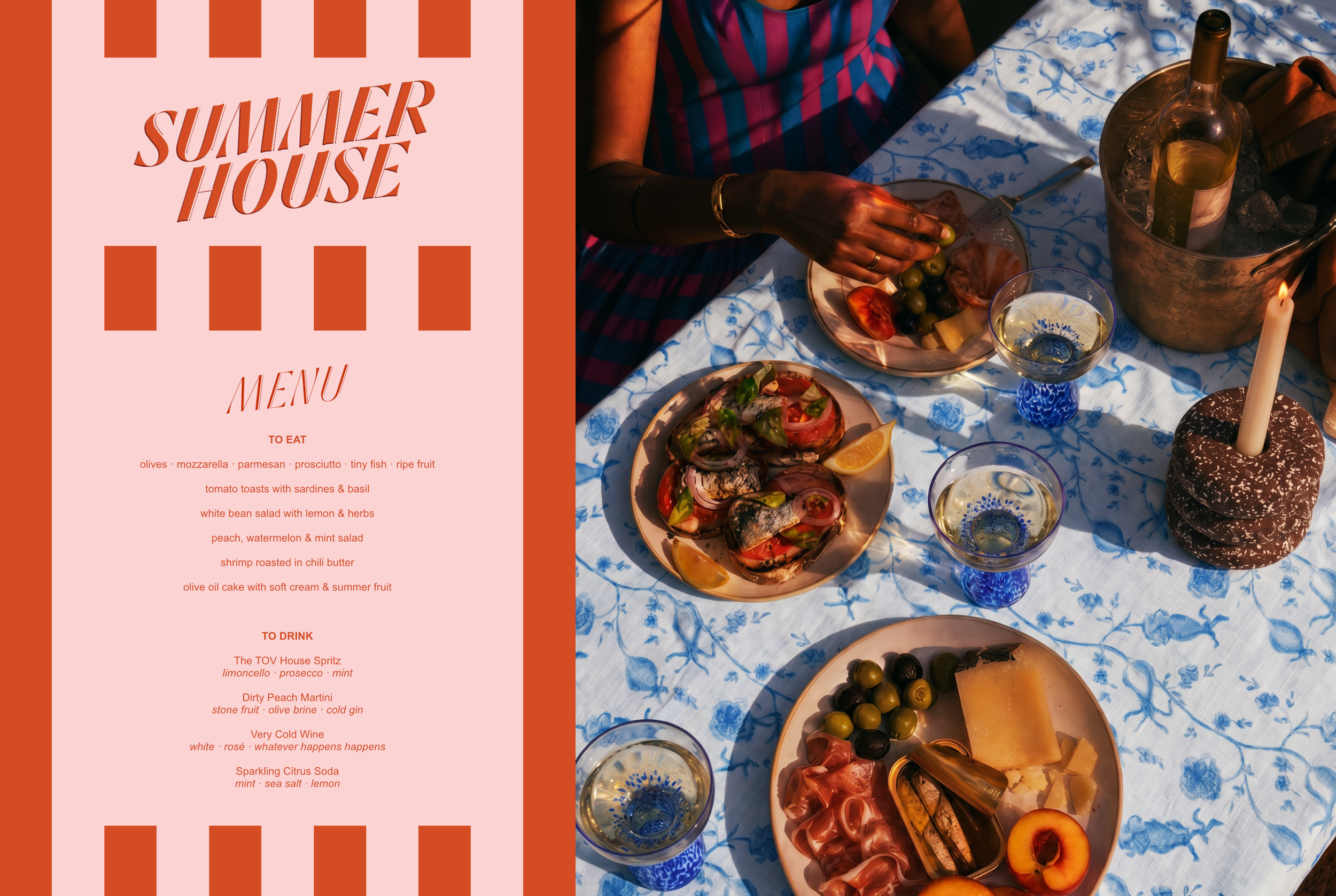
That thought became the starting point for “Summer House,” a conceptual campaign world inspired by Mediterranean summers, boutique hotels, vintage vacation photography, striped umbrellas, glossy fruit, late-night dinners, and the kind of beach houses that accidentally become part of your personality years later.
I wasn’t interested in building something overly polished or aspirational in a cold way. I wanted the world to feel warm. Social. Slightly chaotic. Like people had actually been there five minutes earlier.
The interiors weren’t meant to feel staged. They were meant to feel lived in.
I kept returning to little sensory details:
cold drinks sweating onto tables,
sun-faded linens,
olive oil fingerprints,
half-finished conversations,
music floating in from another room,
the feeling of not wanting the night to end yet.
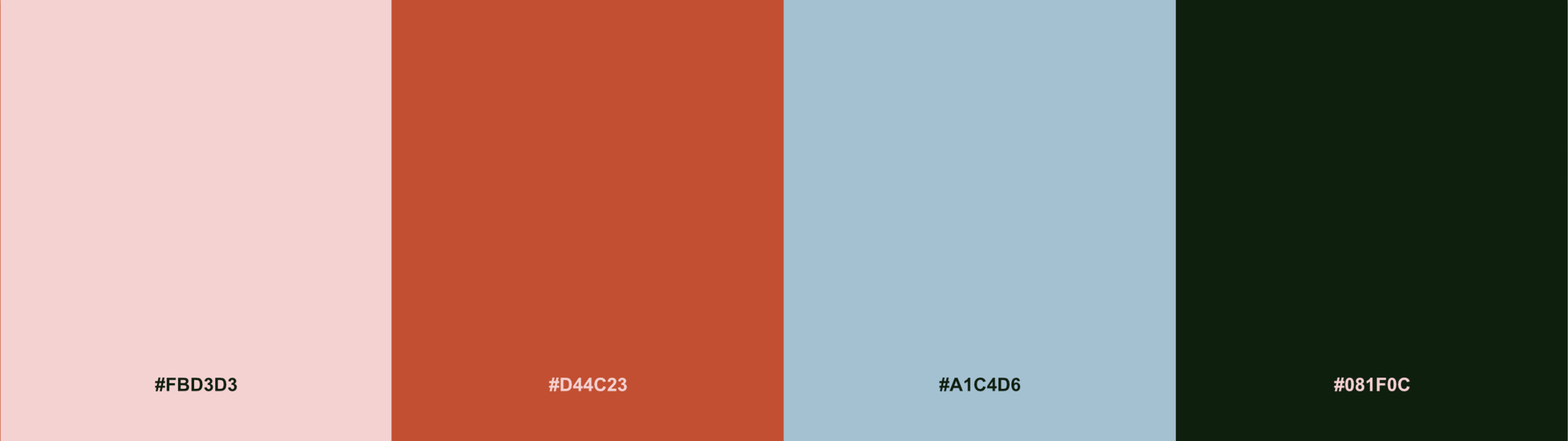
More and more, I think audiences are craving atmosphere over perfection. Lifestyle branding has shifted away from pristine fantasy and toward emotional immersion. Campaigns that feel observational instead of manufactured. Hospitality, interiors, fashion, and entertainment are all starting to overlap into something more cinematic and emotionally driven.
People don’t just want products anymore.
They want worlds. (I personally love worlds with pets…)
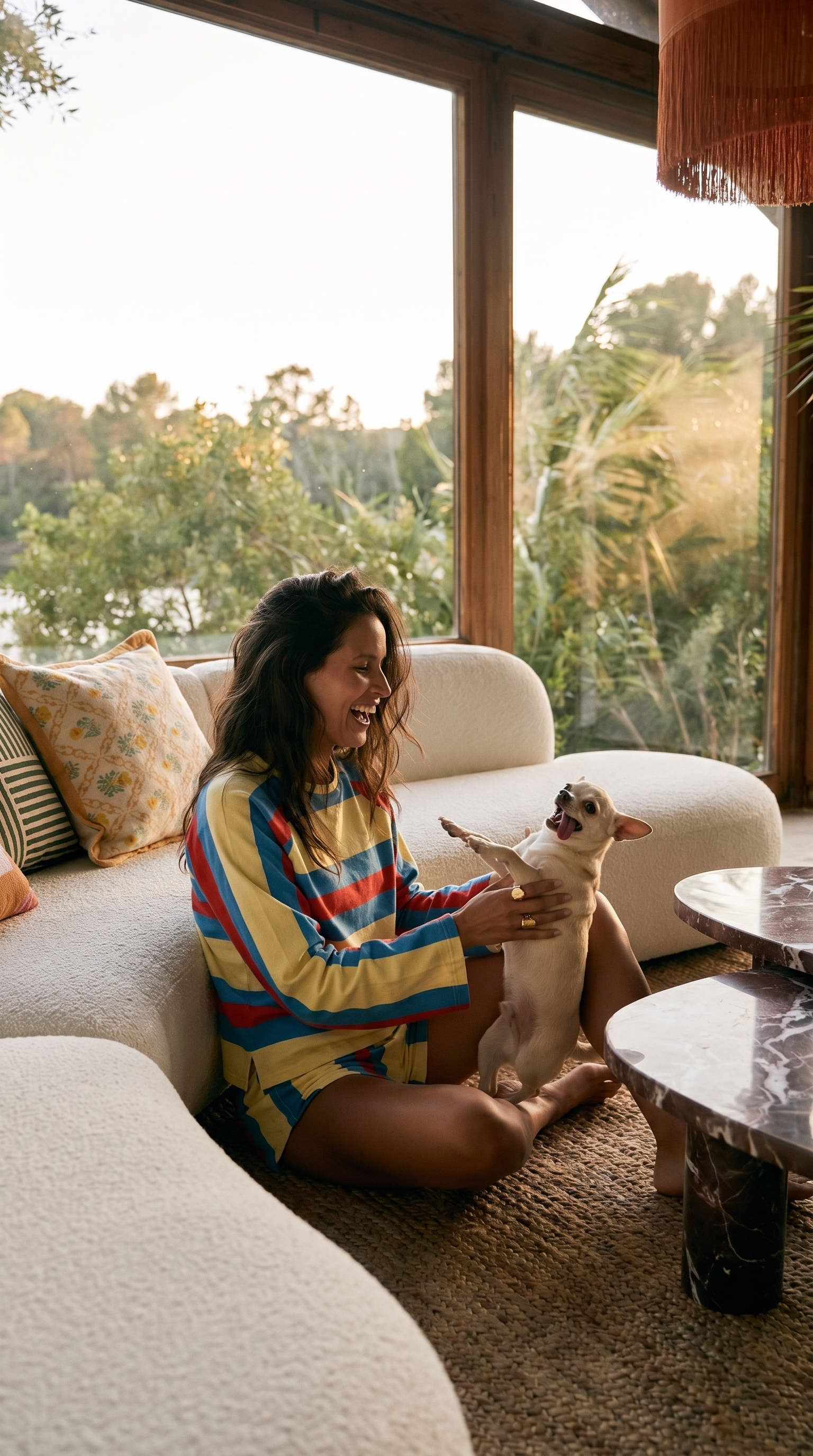
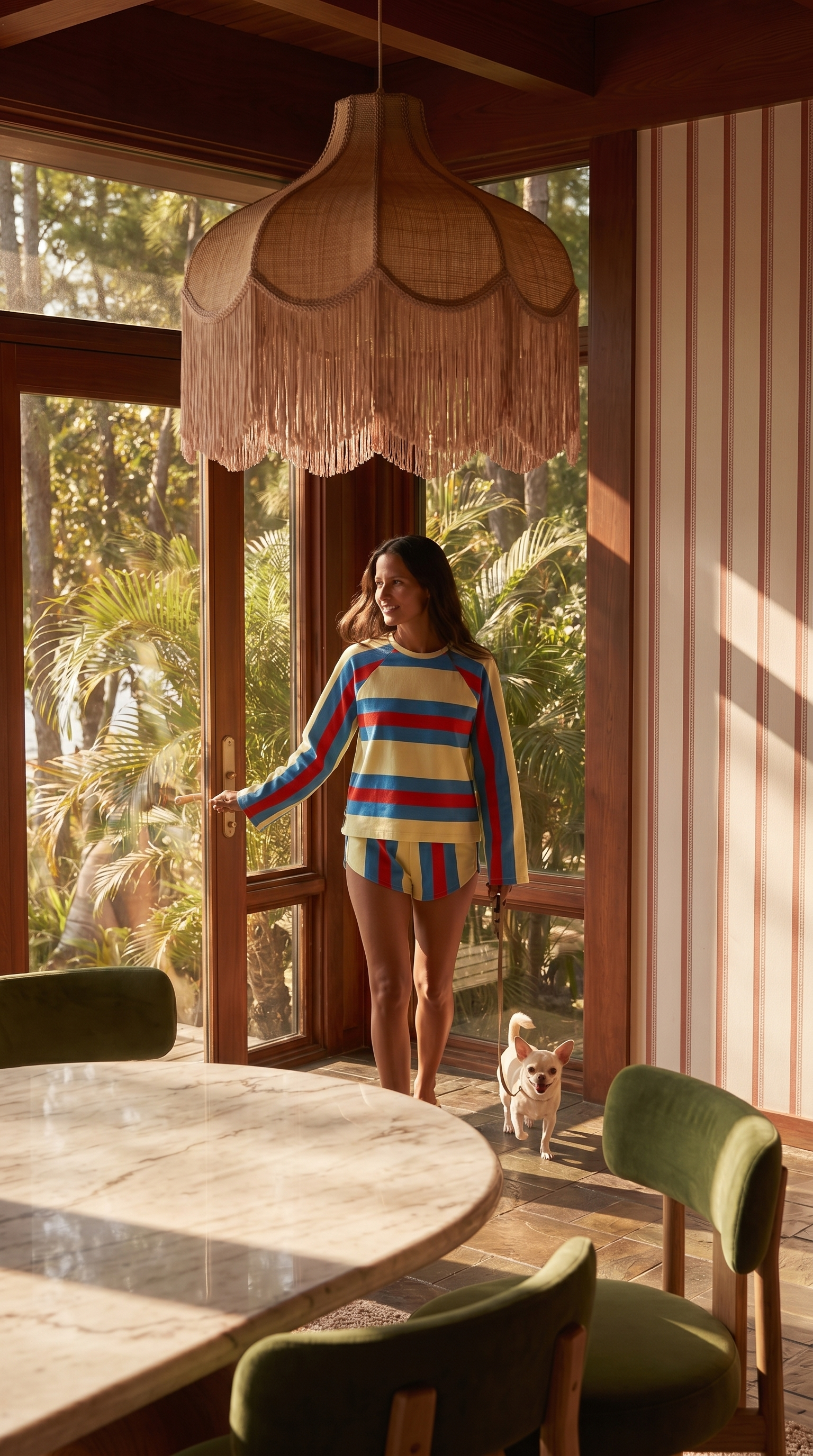
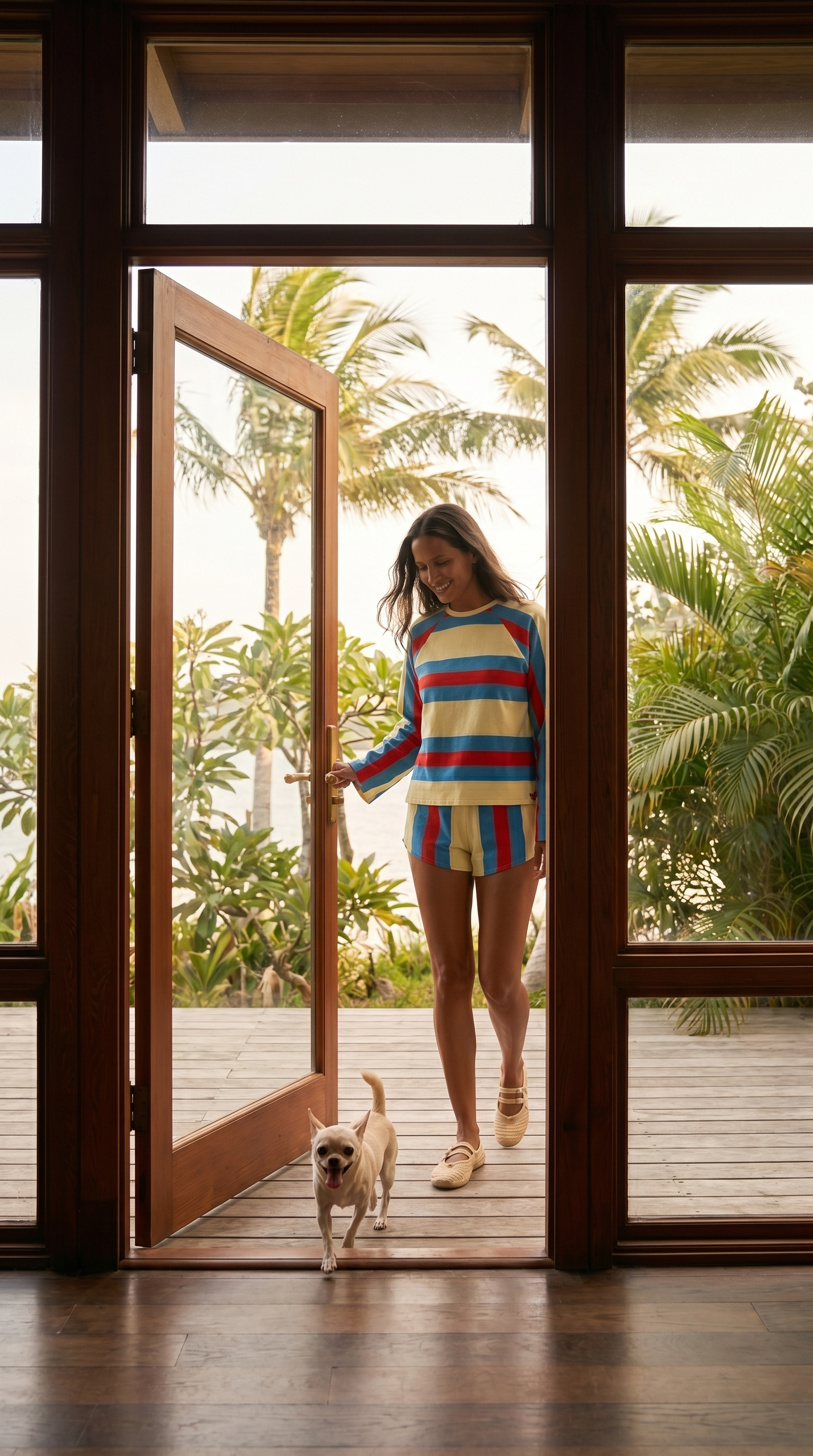
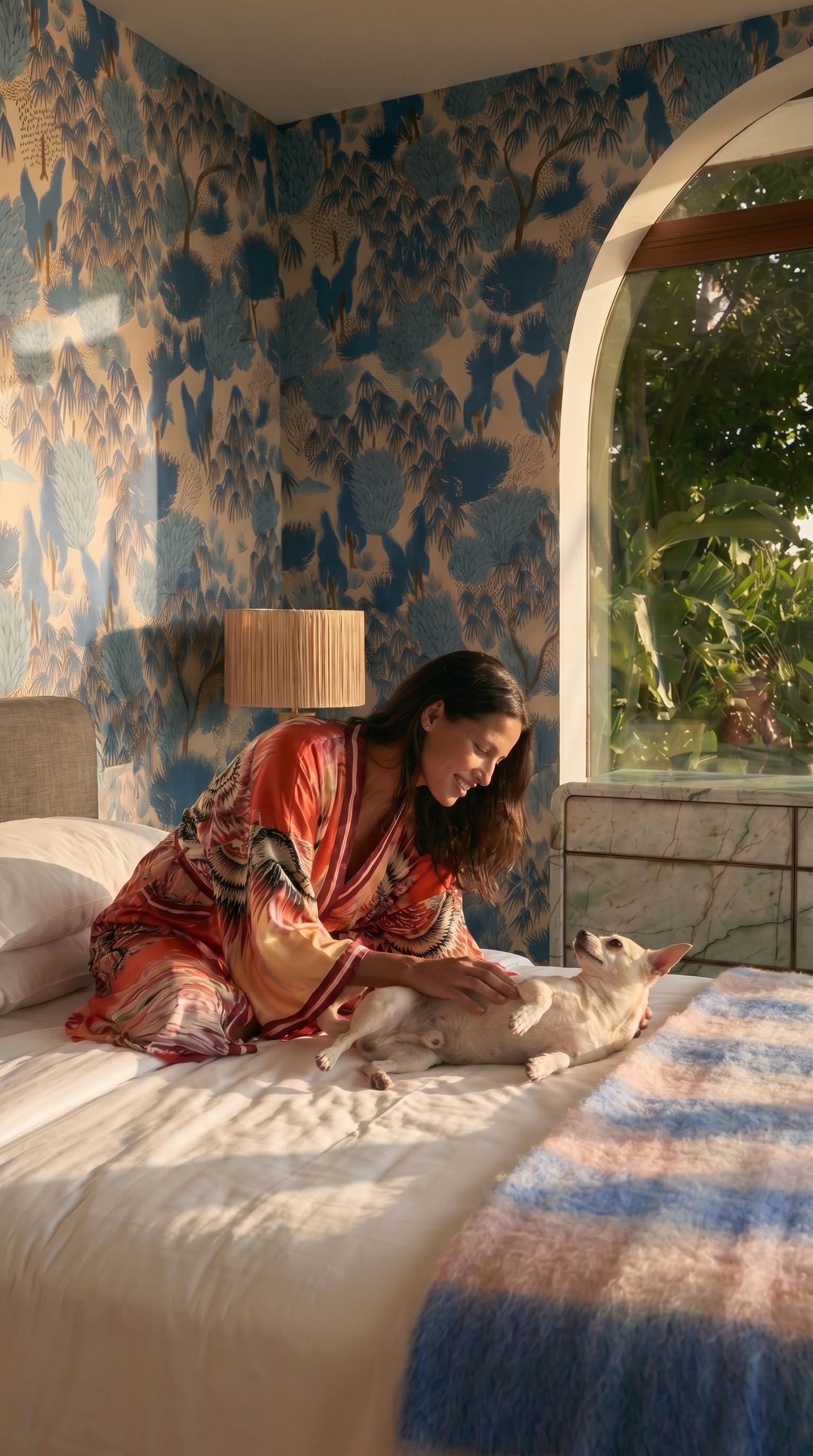
That became even clearer once I started building motion pieces and video alongside the campaign. The second the world began to move - fabric shifting in the wind, melting ice, flickering light, ambient sound - the entire thing became more emotionally believable.
Video changes pacing. It changes intimacy. It changes memory.
It allows a campaign to feel less like advertising and more like overhearing someone else’s summer stories.
I think that’s the kind of storytelling I’m most interested in right now:
worlds that feel textured,
slightly imperfect,
deeply atmospheric,
and emotionally inhabited.
The kinds of places people want to crawl inside and stay awhile.
And honestly?
I’d still rather be at the fake dinner party petting the dog than answering emails.